
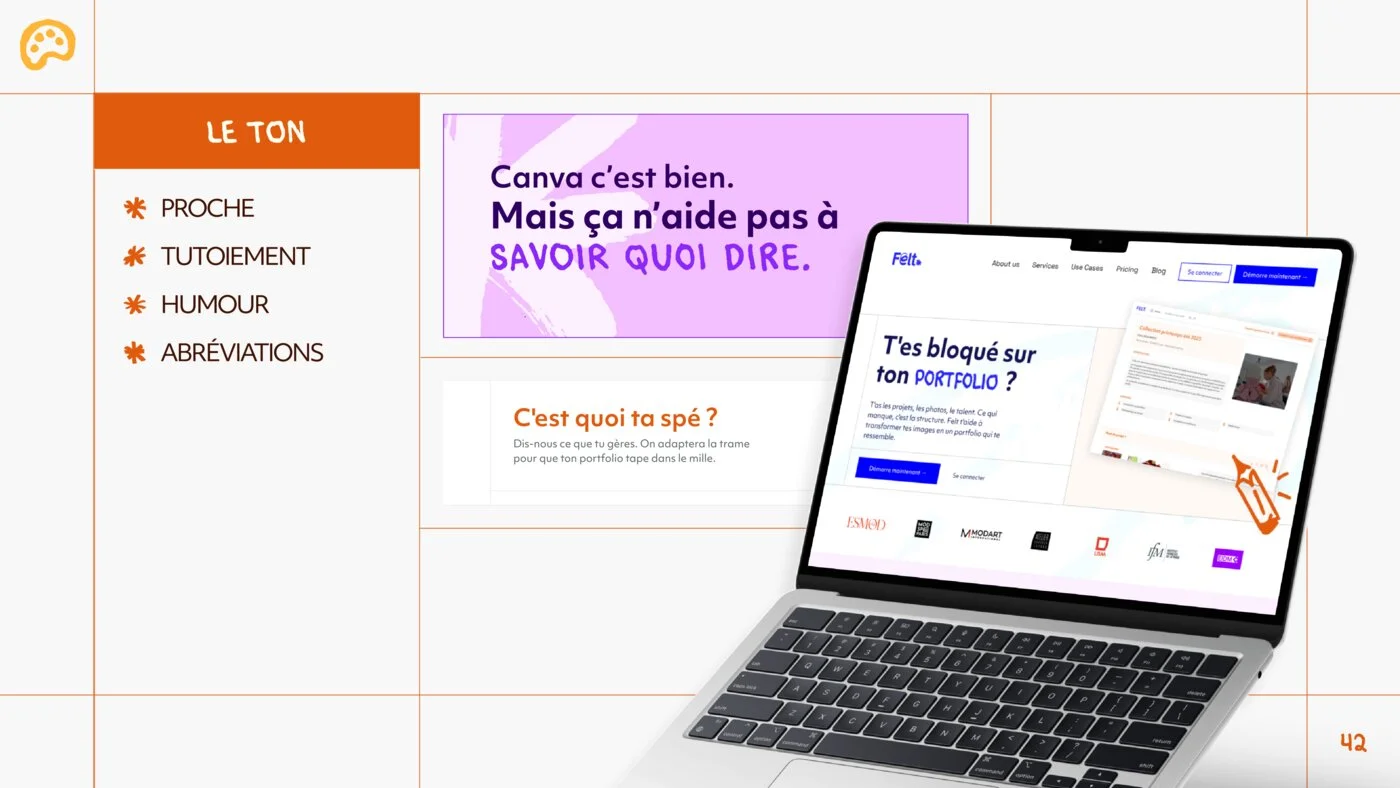
Felt is a web app that helps fashion students build their portfolio, made as the graduation project of my Master’s at Gobelins. Students import their images: the AI sorts them by stage of their creative process (inspiration, moodboard, sketches…), then Felt generates the structure and copy of the portfolio from that library.




Project details
Starting point
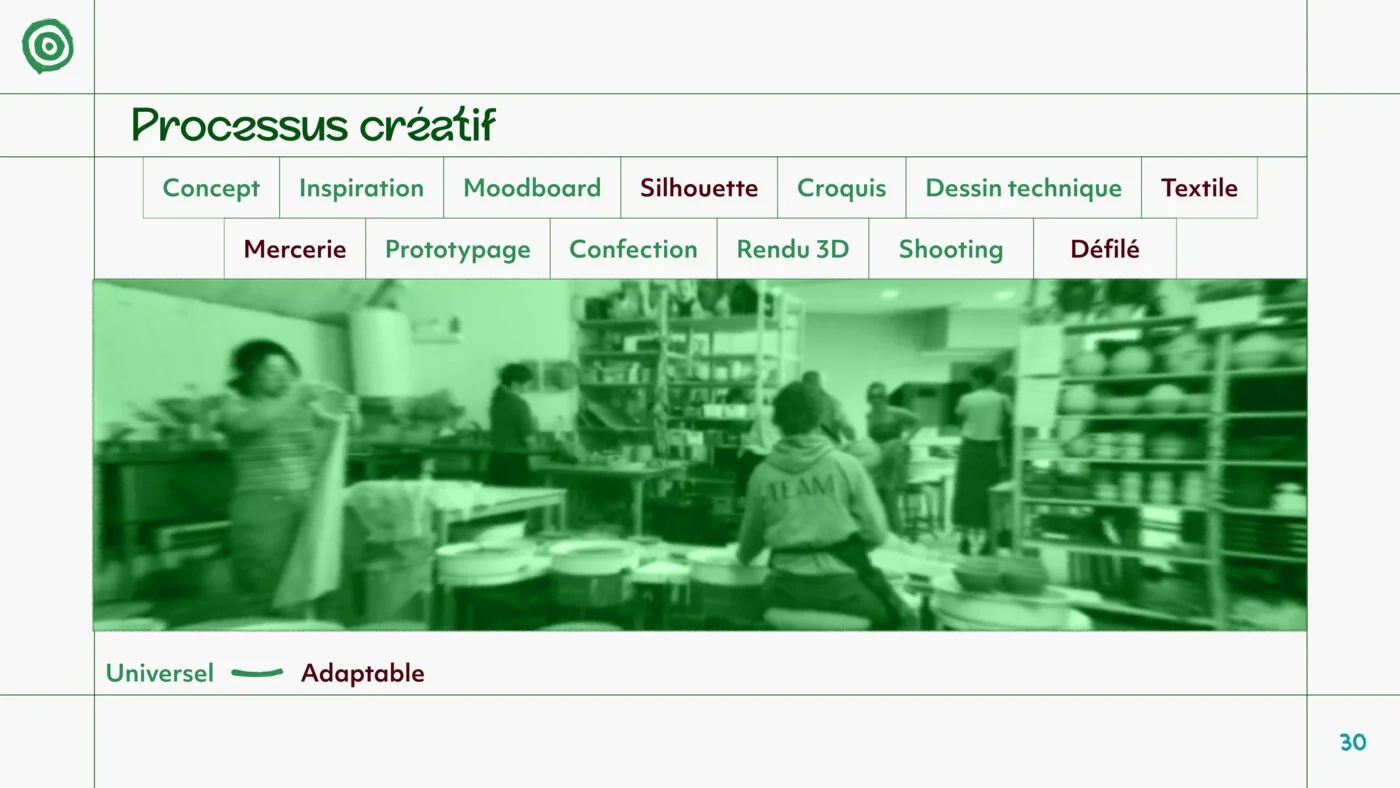
The project came from the observation that the creative process in fashion is still split across dozens of incompatible tools. In Felt, imported images are sorted into 13 stages of the creative process, from inspiration to the runway show, through moodboards, sketches, technical drawing, prototyping and garment making. That sorting is what the portfolio is built on.
The challenge
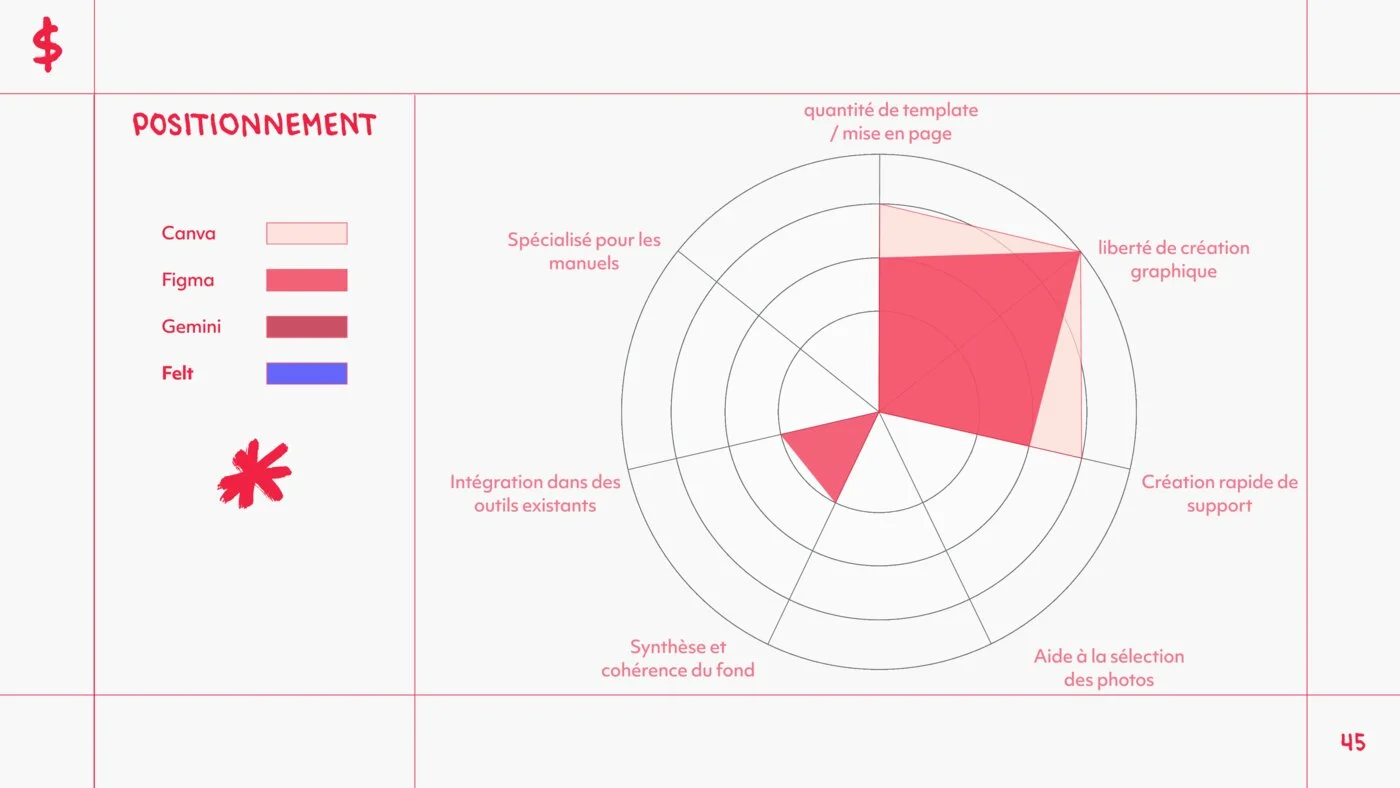
Against general-purpose tools like Canva or Figma, Felt’s challenge was to offer something specialised for fashion: help with selecting content and keeping it consistent, a smart summary of the content, and fast creation of materials. All of it rooted in the codes and vocabulary of the textile industry.
Process & Decisions
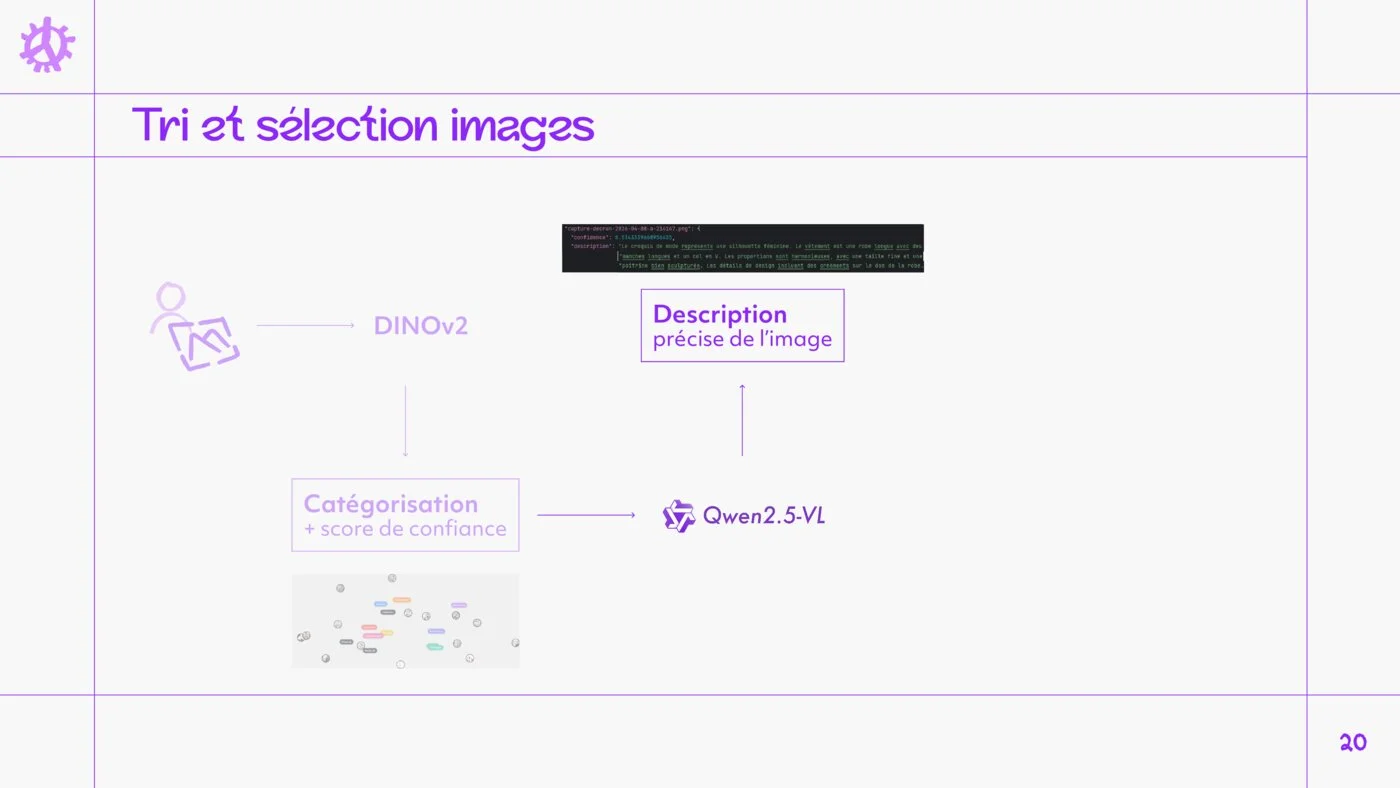
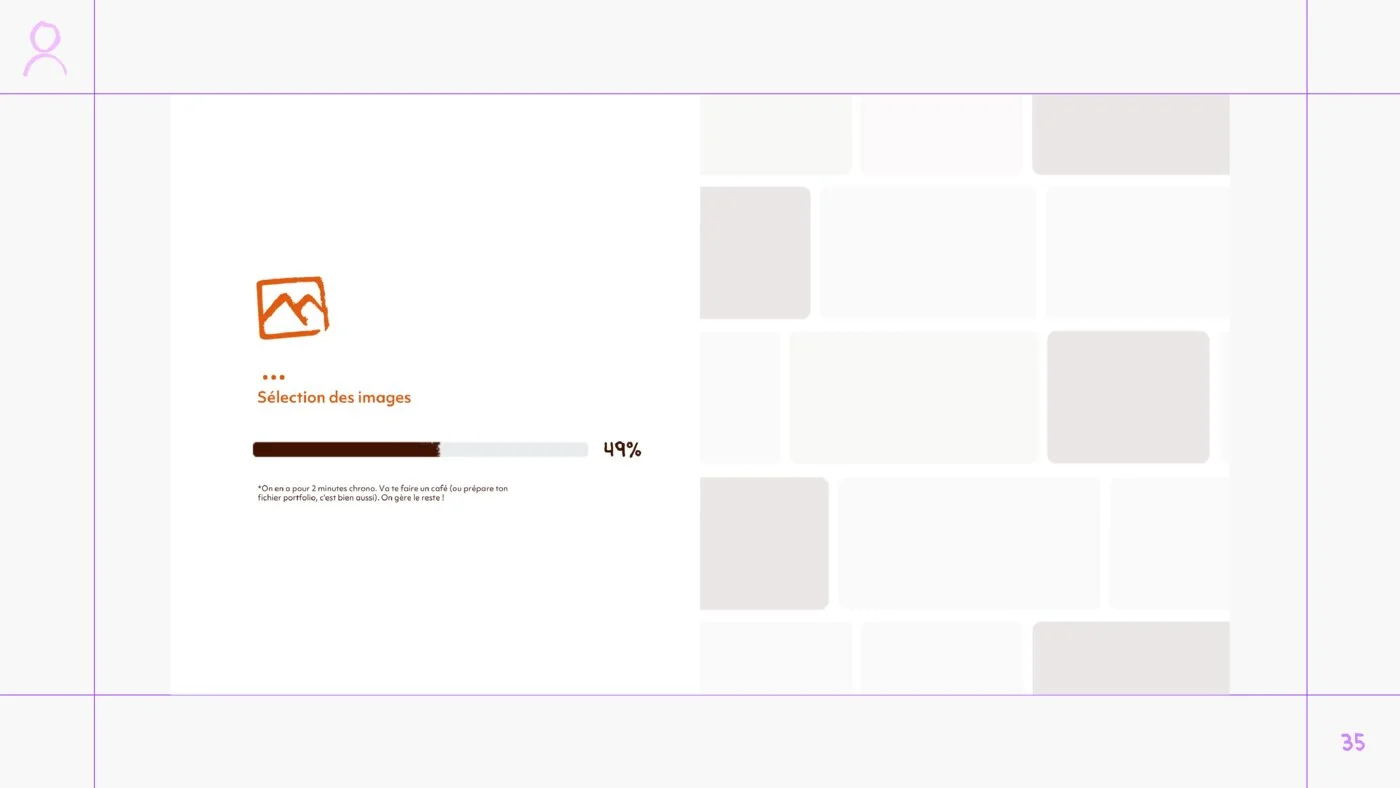
Image sorting relies on three vision models. CLIP and FashionCLIP compare each image with text descriptions of the creative stages (zero-shot classification), and DINOv2 matches it against images that are already classified (nearest neighbours). Both scores are combined to assign a stage. A vision-language model, Qwen2.5-VL, then describes each visual. This pipeline lets the platform automatically understand the content of a fashion image library and extract its visual consistency.
Execution
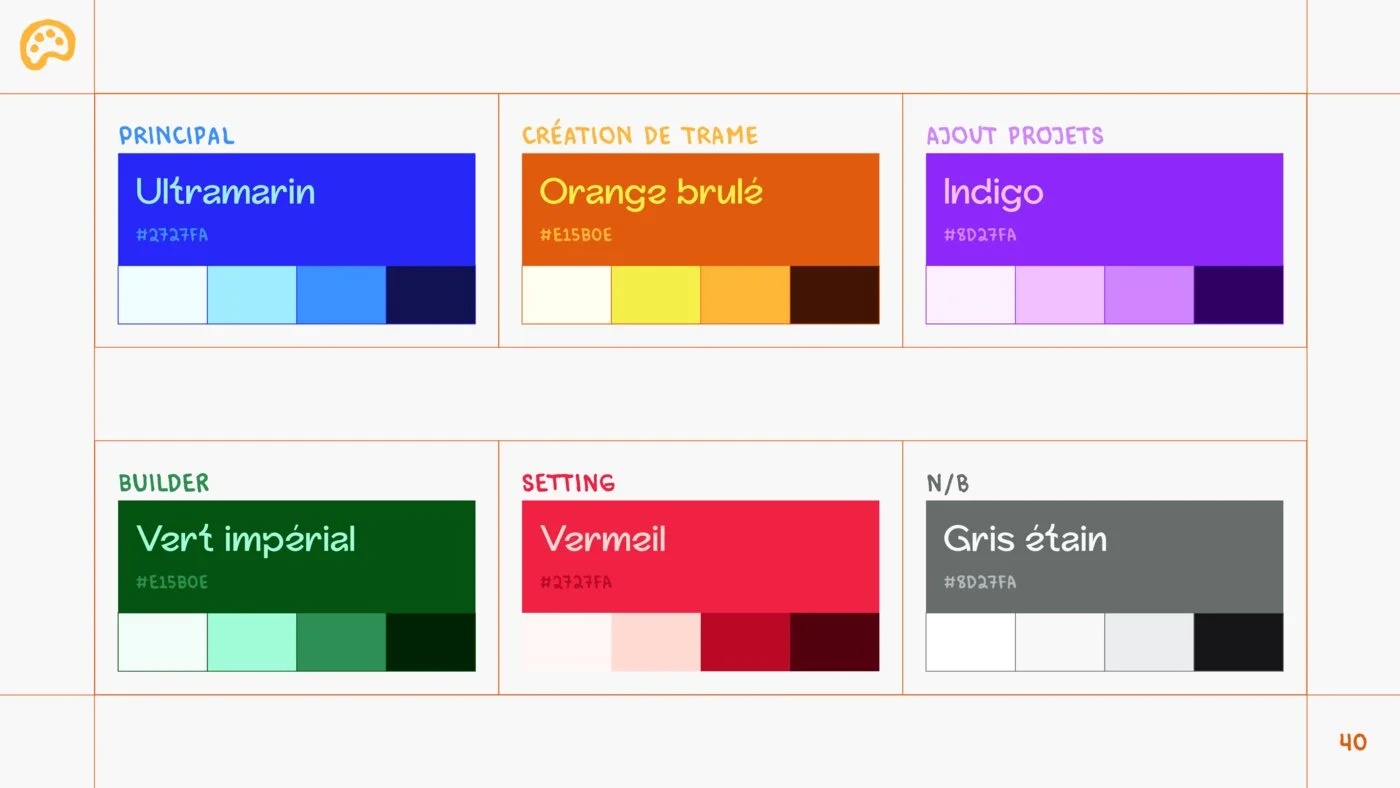
Felt offers thematic modules for each stage of the creative process, a layout builder with adaptable templates, and a multi-universe colour system (Ultramarine, Burnt orange, Imperial green…). As the project’s only developer, I built the Python API (FastAPI), the AI pipeline and the React front end, including the portfolio-building interfaces. The live version is limited to the landing page, because I switched off the app’s server, which ran on my personal computer. Felt was not commercialised, as the start-up costs were too high.
A project like this one?
contact@valentingassend.comTry me first: your home page built in 3 days for €1,200 excl. VAT, not invoiced if the success criterion written upfront is not met. Reply within 72h.
